Textured Ceiling Scraping in Dayton, OH
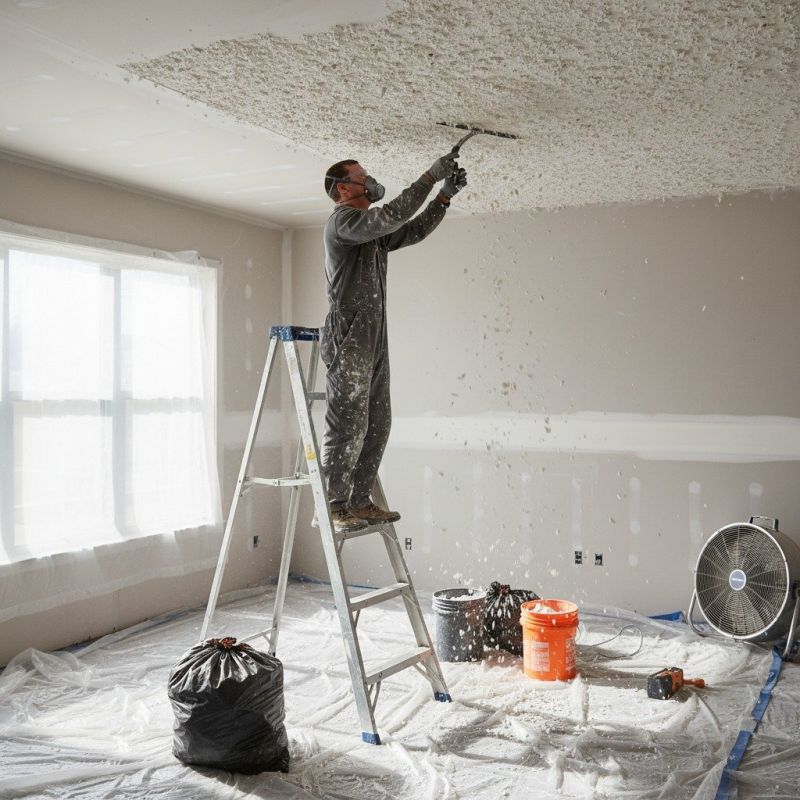
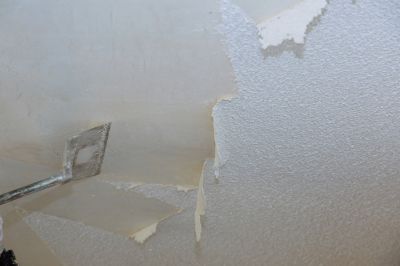
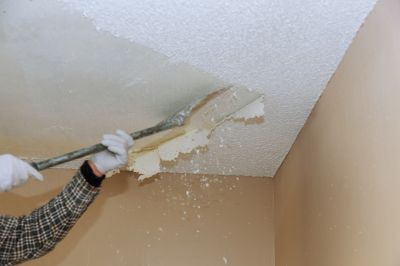
Textured ceiling scraping services involve removing existing textured coatings from ceilings to prepare for a smooth or new finish. This process is often used in renovation projects where homeowners want to update the appearance of a room, eliminate outdated popcorn or stipple textures, or address ceiling damage. Projects can range from small rooms to larger areas, and the work typically requires careful scraping to ensure a clean surface for subsequent finishing steps such as sanding, priming, or re-texturing.
Property owners considering textured ceiling scraping should understand the type of texture currently applied and whether it contains materials like asbestos, which may require special handling. It’s also helpful to know the condition of the ceiling surface, including any cracks, stains, or damage that might need repair before or after scraping. Clarifying these details can ensure the project proceeds smoothly and achieves the desired aesthetic result.
Many property owners in Dayton, OH look into Textured Ceiling Scraping for repairs, replacements, upgrades, and appearance-related improvements.
Ceiling Texture Restoration
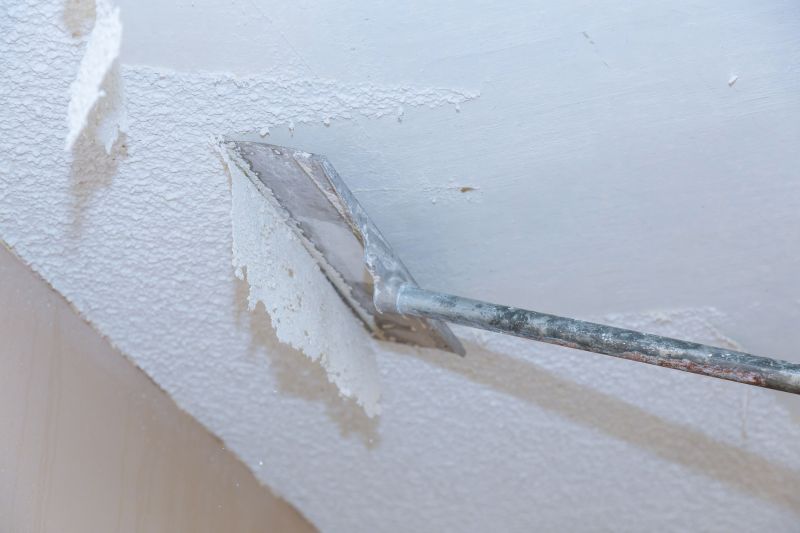
Textured ceiling scraping can refresh aged or damaged ceiling surfaces in homes and commercial spaces.
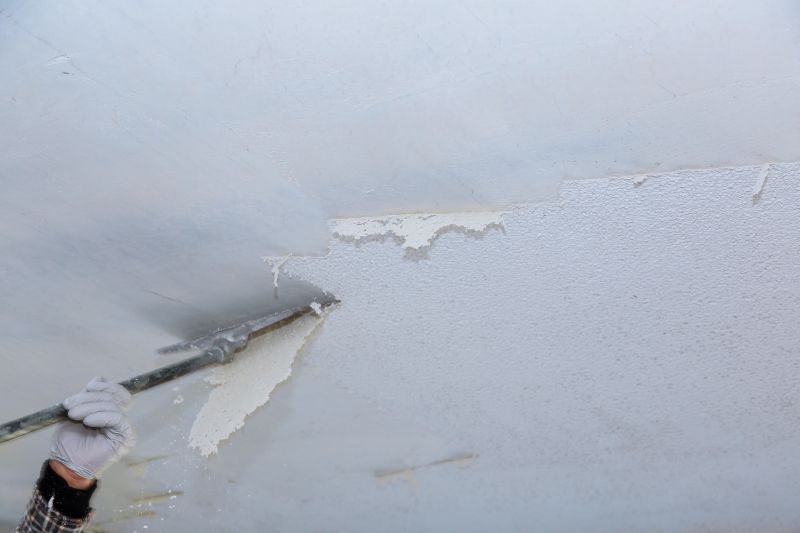
Smooth Ceiling Alternatives
Removing textured finishes allows for a sleek, modern look or prepares ceilings for new coatings.
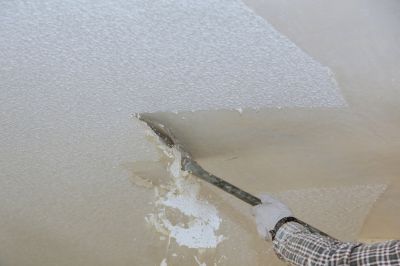
Preparation For Renovation
Scraping textured ceilings is often a necessary step before painting or installing new ceiling treatments in dayton, oh properties.
Textured Ceiling Scraping in Dayton, OH
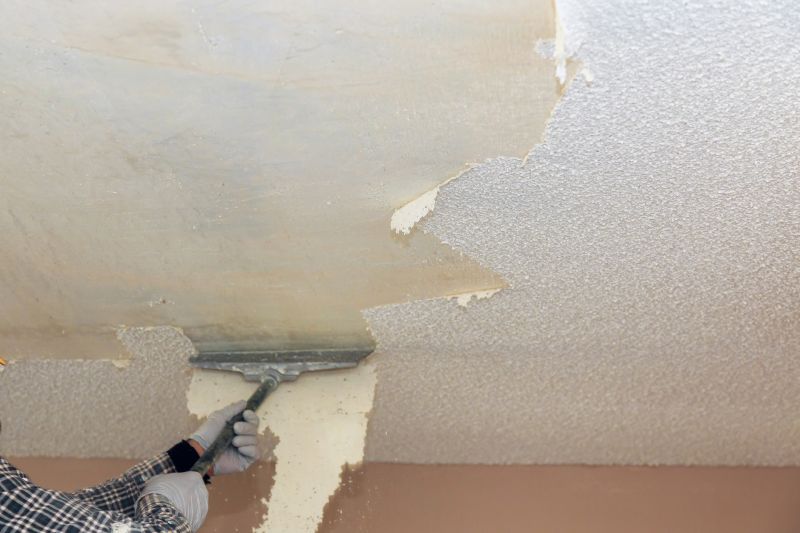
Textured ceiling scraping services involve removing existing textured coatings from ceilings to prepare for a smooth or new finish. This process is often used in renovation projects where homeowners want to update the appearance of a room, eliminate outdated popcorn or stipple textures, or address ceiling damage. Projects can range from small rooms to larger areas, and the work typically requires careful scraping to ensure a clean surface for subsequent finishing steps such as sanding, priming, or re-texturing.
Property owners considering textured ceiling scraping should understand the type of texture currently applied and whether it contains materials like asbestos, which may require special handling. It’s also helpful to know the condition of the ceiling surface, including any cracks, stains, or damage that might need repair before or after scraping. Clarifying these details can ensure the project proceeds smoothly and achieves the desired aesthetic result.
Many property owners in Dayton, OH look into Textured Ceiling Scraping for repairs, replacements, upgrades, and appearance-related improvements.
Common Textured Ceiling Scraping Jobs
Textured ceiling scraping involves removing old textures to prepare for a new finish or smooth surface.
Popcorn ceiling removal helps update outdated ceiling styles and improve room aesthetics.
Acoustic ceiling texture removal reduces sound-dampening materials for a more modern look.
Stipple or popcorn ceiling scraping addresses common ceiling finishes that may contain asbestos or other concerns.
Ceiling texture refinishing includes smoothing or reapplying textures to match interior design updates.
Ceiling surface preparation involves cleaning and repairing prior to applying new finishes or coatings.
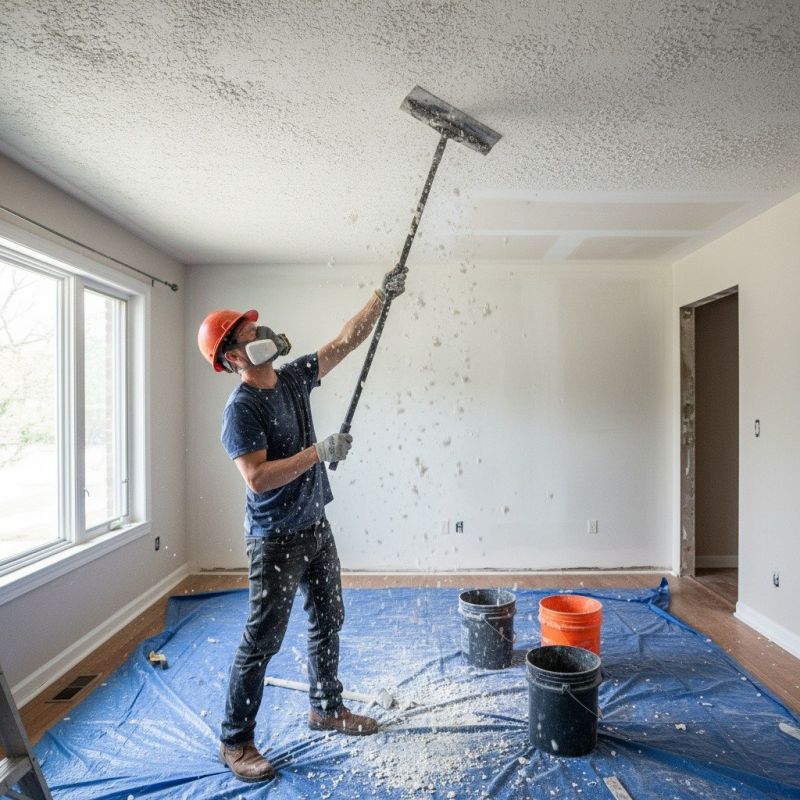
Textured Ceiling Scraping Questions
What is textured ceiling scraping? It is a process that removes or smooths textured ceiling finishes to improve appearance or prepare for new coatings.
Which types of textured ceilings can be scraped? Most common textures like popcorn, knockdown, and slap brush can be effectively removed or smoothed.
Is ceiling scraping messy or disruptive? Proper preparation minimizes dust and debris, making the process manageable for most residential projects.
Why consider scraping a textured ceiling? It can enhance the look of a space, improve lighting, or create a surface ready for a fresh finish.
Request Textured Ceiling Scraping in Dayton, OH
Use the quote form on this page to share the basics of your project and request more information for the type of work you need.